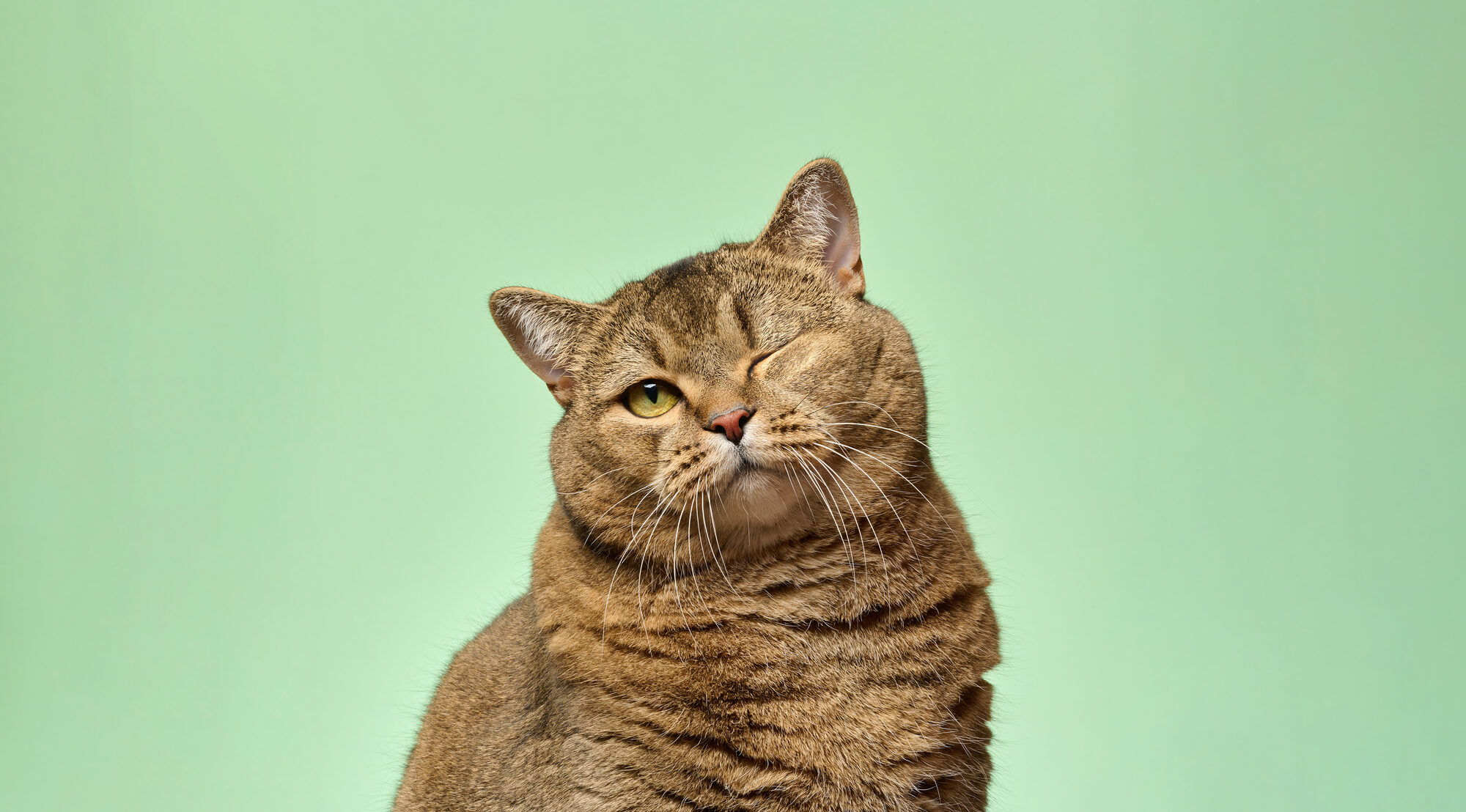
Cat
Independent, affectionate on their own schedule, and endlessly entertaining — cats bond deeply while giving you space to breathe.
Cats are among the most popular companion animals in the world, and it is easy to understand why. They are independent enough to handle time alone, but affectionate enough to form deep bonds with their people. Cats are curious, playful, and endlessly entertaining. Whether you are looking for a lap cat, a playful kitten, or a low-key adult cat, there is a perfect feline out there for almost every lifestyle. With good care, cats live 12 to 20 years, with some reaching their mid-20s.
Diet & Feeding
Cats are obligate carnivores, meaning they must eat meat to survive. A high-quality, protein-rich diet is essential. Look for cat foods where a named meat (chicken, salmon, turkey) is the first ingredient. Wet food is generally preferred over dry because it provides hydration and more closely resembles a natural diet. Dry food can supplement but should not be the sole diet for most cats. Avoid foods containing corn syrup, artificial colors, or unnamed meat by-products. Always provide fresh water. Treats are fine in moderation but should not exceed 10 percent of daily calories.
Housing & Habitat
Cats thrive indoors where they are protected from cars, predators, and disease. Provide a clean litter box in a quiet location — the rule of thumb is one box per cat plus one extra. Scoop daily and deep clean weekly. Cats need vertical space (cat trees, shelves), scratching surfaces, and cozy spots to nap. Enrichment like window perches, puzzle feeders, and toys keeps their minds active. If you have an outdoor space, a catio (cat patio) allows outdoor enrichment safely.
Temperature & Lighting
Cats are adaptable to typical household temperatures (65 to 80 degrees Fahrenheit). They prefer warm, cozy spots and will seek out sunny windows, warm blankets, or heated beds. Keep drafts to a minimum and ensure cats can always find a warm resting spot in winter.
Handling & Temperament
Most cats enjoy being petted on the head, cheeks, and base of the tail. Many dislike having their belly or legs touched. Respect your cat's cues — a lashing tail, flattened ears, or stiff posture means they want space. Kittens benefit from gentle socialization with different people and environments. Cats are generally more social than their reputation suggests, but on their own terms.
Health Notes
Annual veterinary visits are important for vaccines, dental health, and general wellness. Core vaccines include rabies and FVRCP (feline distemper combination). Spaying or neutering reduces cancer risk and behavioral issues. Common health concerns include dental disease, obesity, urinary issues, hyperthyroidism (in seniors), and chronic kidney disease. Flea, tick, and parasite prevention is important even for indoor cats.