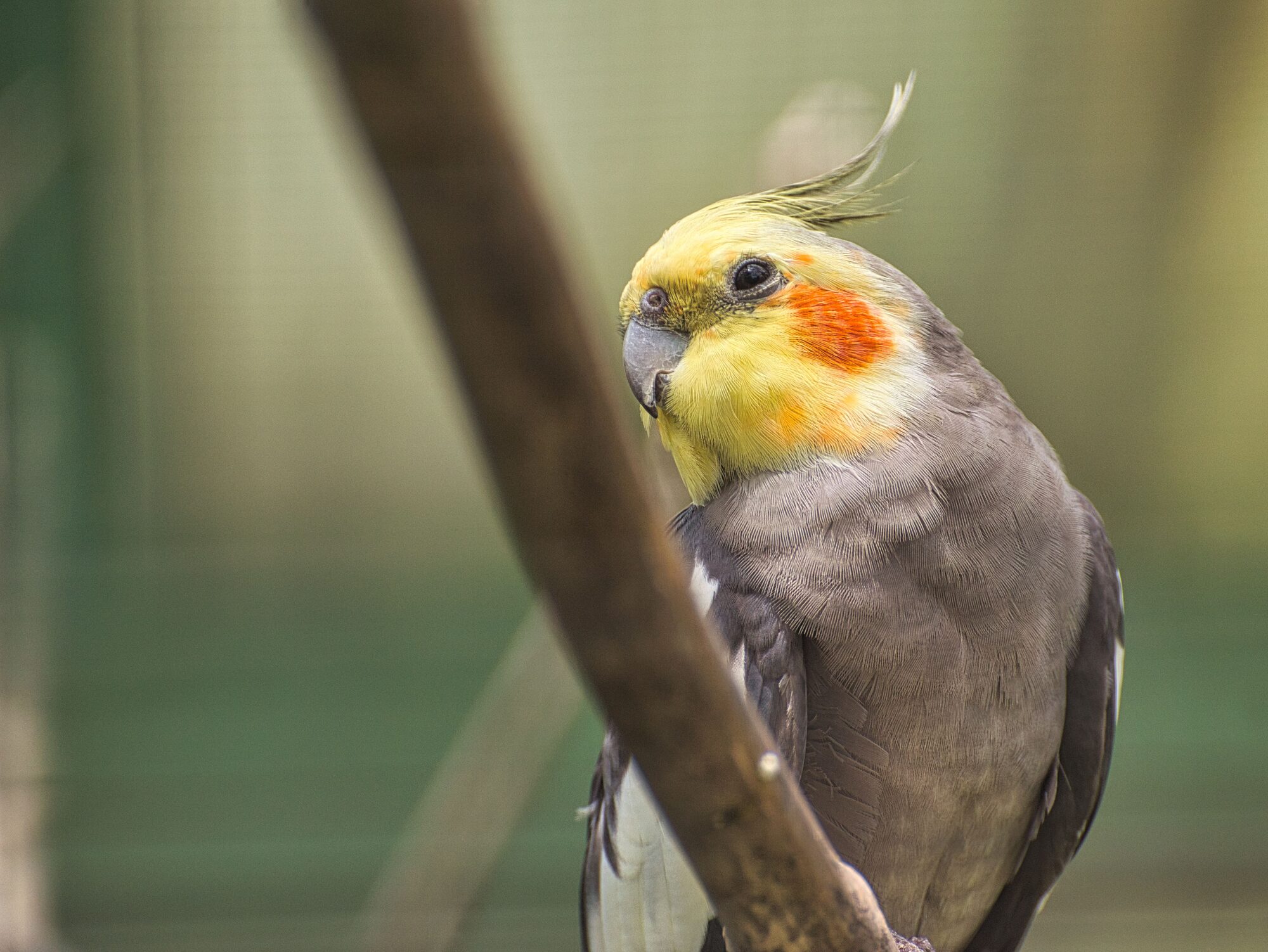
Cockatiel
Whistling, bonding, and full of personality — cockatiels are among the most affectionate birds you can keep.
Cockatiels are one of the most beloved pet birds in the world, and they are a wonderful introduction to avian companionship. Native to Australia, cockatiels are intelligent, affectionate, and remarkably personable. They are known for their cheerful whistling, expressive crests, and tendency to bond deeply with their owners. Hand-raised cockatiels are particularly social and enjoy being part of daily family life. With proper care, a cockatiel can live 15 to 25 years.
Diet & Feeding
A healthy cockatiel diet is built on a high-quality pellet food, which should make up about 70 to 80 percent of their diet. Seeds alone are not a complete diet and can lead to obesity and nutritional deficiencies. Fresh vegetables like leafy greens, carrots, bell peppers, and broccoli are excellent additions. Small amounts of fruit are fine as a treat. Avoid avocado, onion, garlic, chocolate, and caffeine — all are toxic to birds. Fresh water should be changed daily.
Housing & Habitat
Cockatiels need a cage that is wide enough for them to spread their wings and move around — minimum 24 inches wide by 18 inches deep. Bar spacing should be no more than 3/4 inch to prevent escape or injury. Horizontal bars on at least two sides allow climbing. Provide multiple perches of varying diameter (this helps foot health), toys for mental stimulation, and foraging opportunities. Cockatiels should have at least 2 to 4 hours of supervised out-of-cage time daily.
Temperature & Lighting
Cockatiels do best in household temperatures between 65 and 80 degrees Fahrenheit. They are sensitive to drafts, temperature swings, and non-stick (PTFE) cookware fumes, which are instantly fatal to birds. Keep them away from kitchens and avoid any aerosols, scented candles, or air fresheners near them. Natural light or full-spectrum lighting helps support their health.
Handling & Temperament
Hand-raised cockatiels are typically very comfortable with handling and love being on their owner's shoulder or sitting on a hand. They communicate through crest position — raised means excited or alarmed, flat means relaxed or content, half-raised means curious. Cockatiels bond strongly and can become stressed if left alone too long. A second cockatiel can be a great companion. They are known for learning to whistle tunes and some can learn a few words.
Health Notes
Common health issues include respiratory infections, psittacosis (a bacterial infection), egg binding in females, feather destructive behavior, and vitamin A deficiency from an all-seed diet. Cockatiels are prone to night frights — sudden sounds or lights can startle them and cause them to thrash in their cage. A small night light can help. Annual vet visits with an avian vet are recommended.