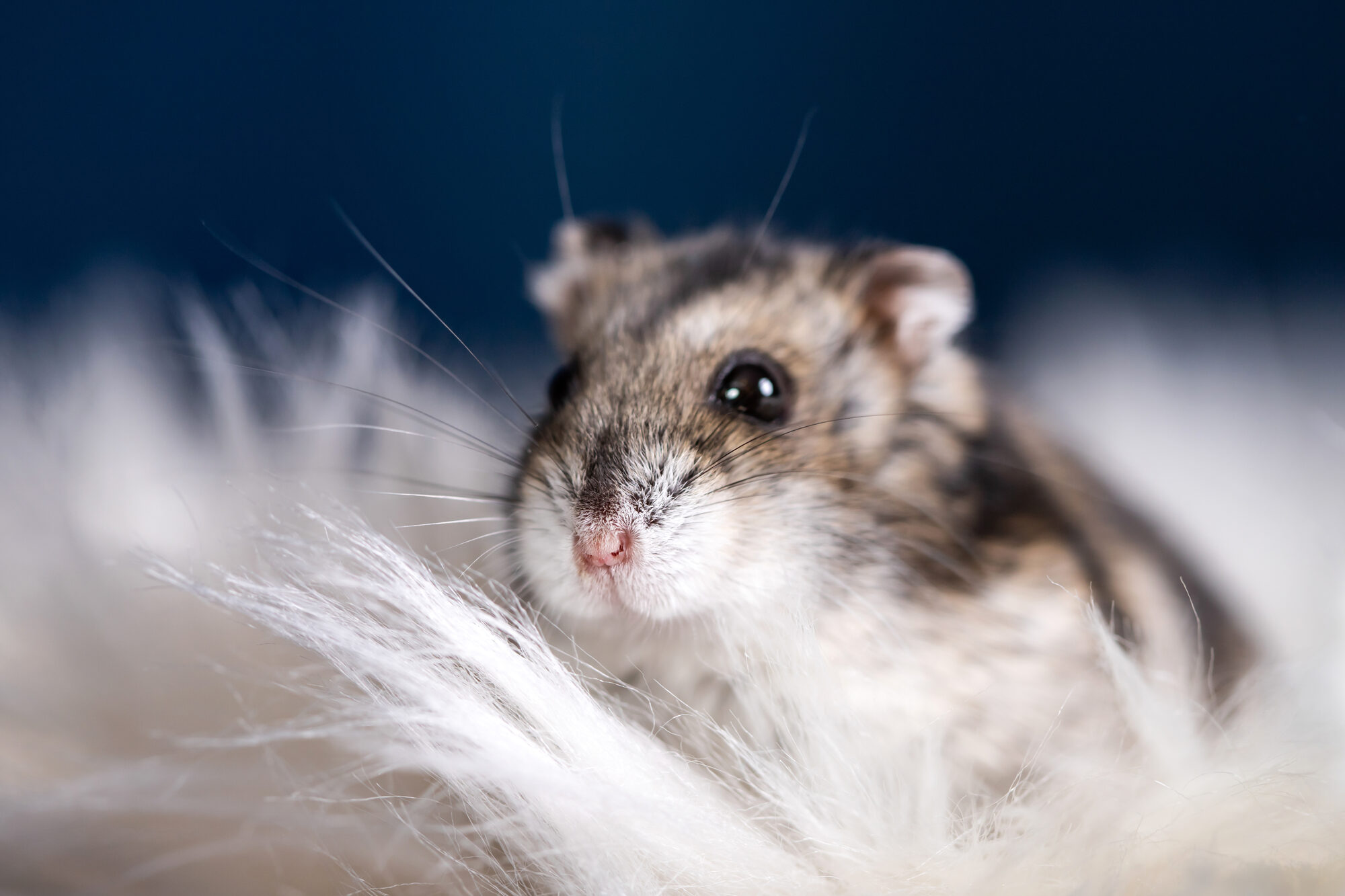
Hamster
Surprisingly complex for their size — a well-set-up hamster with room to burrow and run is a genuinely fascinating creature.
Hamsters are one of the most popular small pets, and while they have a reputation as simple starter animals, they actually have complex needs that are often underestimated. Syrian hamsters (golden hamsters) and dwarf species like Roborovski and Campbell's are the most commonly kept. Hamsters are solitary, nocturnal animals — they do best living alone and are most active in the evening and overnight. A properly cared for hamster with a good enclosure and enrichment can be a genuinely fascinating pet. Hamsters live 2 to 3 years on average.
Diet & Feeding
A high-quality hamster seed mix or pelleted diet makes up the base of their nutrition. Supplement with small amounts of fresh vegetables like broccoli, cucumber, and leafy greens a few times per week. Small amounts of protein (cooked egg, mealworms) are a healthy addition. Avoid citrus, onion, garlic, and high-sugar treats. Hamsters are natural hoarders — they will stuff food into their cheek pouches and cache it around the cage, which is completely normal.
Housing & Habitat
This is where most hamster care falls short. The common small plastic habitats sold in pet stores are far too small. Syrian hamsters need a minimum of 450 square inches of unbroken floor space — a 40-gallon breeder tank, large plastic bin cage, or proper large hamster enclosure. They need a solid-surface exercise wheel that is at least 10 to 11 inches in diameter (8 inches for dwarfs), a large amount of deep substrate for burrowing (6 to 10 inches), and multiple hides, tunnels, and enrichment items.
Temperature & Lighting
Hamsters prefer temperatures between 65 and 75 degrees Fahrenheit. Temperatures below 60 degrees can trigger torpor (a hibernation-like state). Temperatures above 80 degrees cause heat stress. They should never be in direct sunlight.
Handling & Temperament
Hamsters are nocturnal, so handling during the day when they are trying to sleep will stress them. Schedule handling in the evening when they are naturally active. New hamsters need 1 to 2 weeks to settle before regular handling. Start by offering your hand and letting them come to you — never grab a sleeping hamster. Syrian hamsters are generally more tolerant of handling than dwarf species, but individual temperament varies greatly.
Health Notes
Wet tail (proliferative ileitis) is a serious bacterial infection causing severe diarrhea — it is most common in young Syrian hamsters under stress and can be fatal within 48 hours without treatment. Dental problems, respiratory infections, skin conditions, and tumors (particularly in older hamsters) are also common. Regular observation for changes in behavior, weight, or appearance helps catch issues early.