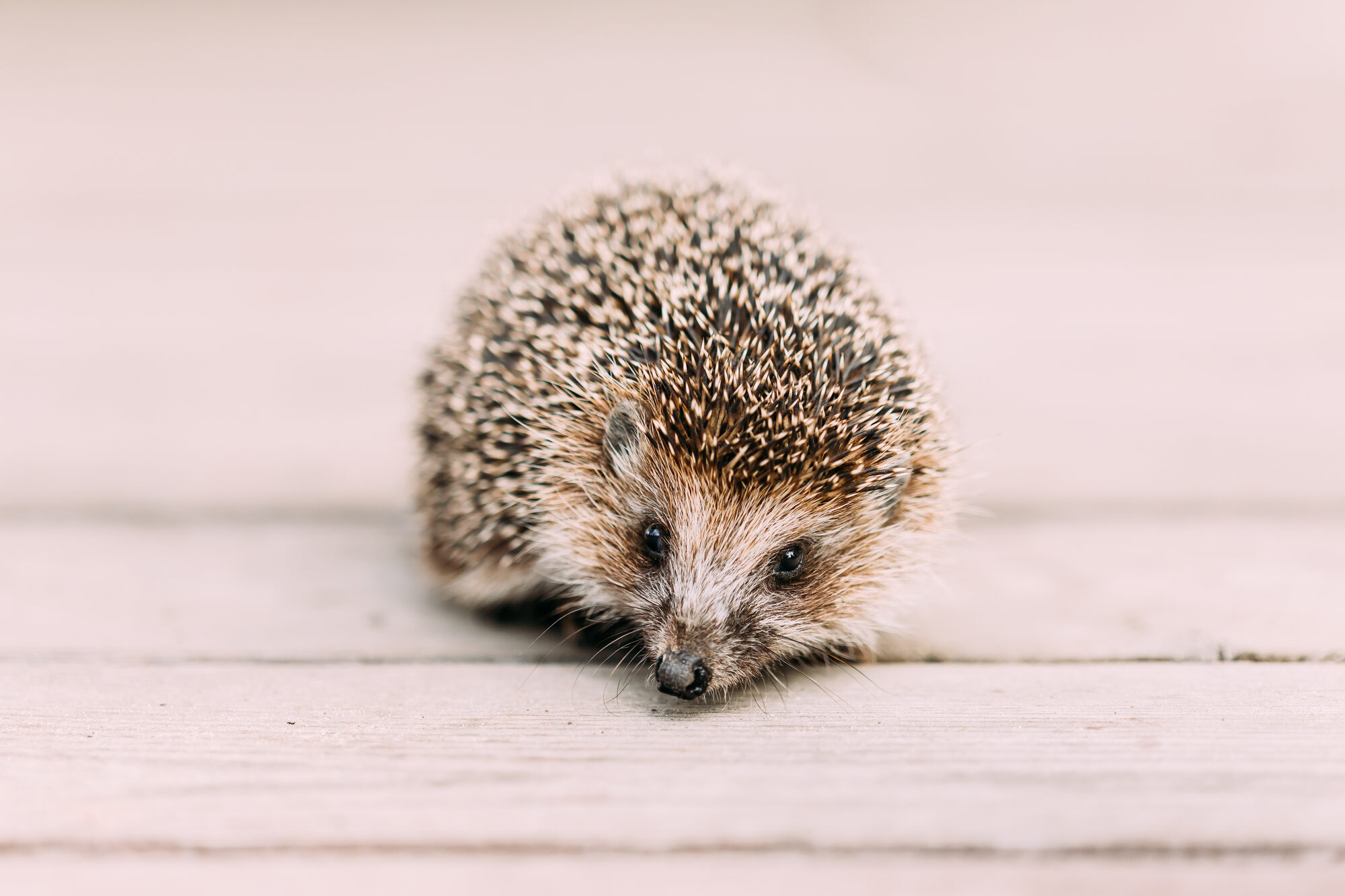
Hedgehog
Prickly on the outside, charming underneath — hedgehogs reward patient keepers with surprisingly engaging companionship.
Hedgehogs are unique, fascinating little pets with a lot of personality packed under all those spines. They are solitary, primarily nocturnal animals native to Africa, Europe, and Asia. African pygmy hedgehogs are the species most commonly kept as pets. Hedgehogs are not as cuddly as a guinea pig or as interactive as a ferret, but with patient handling and the right environment, they become surprisingly comfortable with their owners. They are a commitment of time and attention. With good care, hedgehogs live 3 to 6 years.
Diet & Feeding
The standard approach is to feed a high-quality, low-fat cat kibble (look for 30+ percent protein, 15 percent or less fat) as a base diet. Hedgehog-specific commercial foods are available but vary in quality — check the ingredient list. Supplement with insects like mealworms and dubia roaches as protein treats, and small amounts of cooked chicken, cooked egg, or vegetables like cooked squash and leafy greens. Avoid dairy, citrus, grapes, raisins, and high-sugar foods. Fresh water must always be available.
Housing & Habitat
Hedgehogs need a minimum 2-square-foot floor space enclosure, though more is always better. A large plastic bin cage, wooden enclosure, or appropriately sized commercial cage works well. They need a solid-surface exercise wheel (no wire wheels, which cause foot injuries) at least 11 inches in diameter — hedgehogs run up to 5 miles per night. Provide a hide for sleeping, fleece bedding, and foraging opportunities. They are good climbers and can tip out of wire cages, so secure solid-sided enclosures are safer.
Temperature & Lighting
This is critical: hedgehogs should be kept between 72 and 80 degrees Fahrenheit. Temperatures below 65 degrees trigger hibernation attempts, which are dangerous and potentially fatal for domesticated African pygmy hedgehogs — they did not evolve to hibernate. Use a ceramic heat emitter or under-tank heater with a thermostat if your room temperature drops below 70 degrees. Monitor temperature closely especially in winter.
Handling & Temperament
New hedgehogs are often very defensive — balling up and huffing loudly. This is normal. Daily handling sessions, even short ones, help them learn that you are not a threat. Hold a balled-up hedgehog in your lap and just wait — they will usually unbonk and start exploring on their own terms. Once comfortable, many hedgehogs will walk around on their owner's hands and lap, sniff around curiously, and become fairly tolerant of gentle handling.
Health Notes
Wobbly hedgehog syndrome (WHS) is a progressive, fatal neurological disease with no cure — it causes gradual loss of muscle control. Cancer is also very common in hedgehogs, particularly of the mouth and internal organs. Respiratory infections, mites, dental disease, and obesity (a common problem in under-exercised hedgehogs) round out the major health concerns. Annual vet visits with an exotic vet are important.