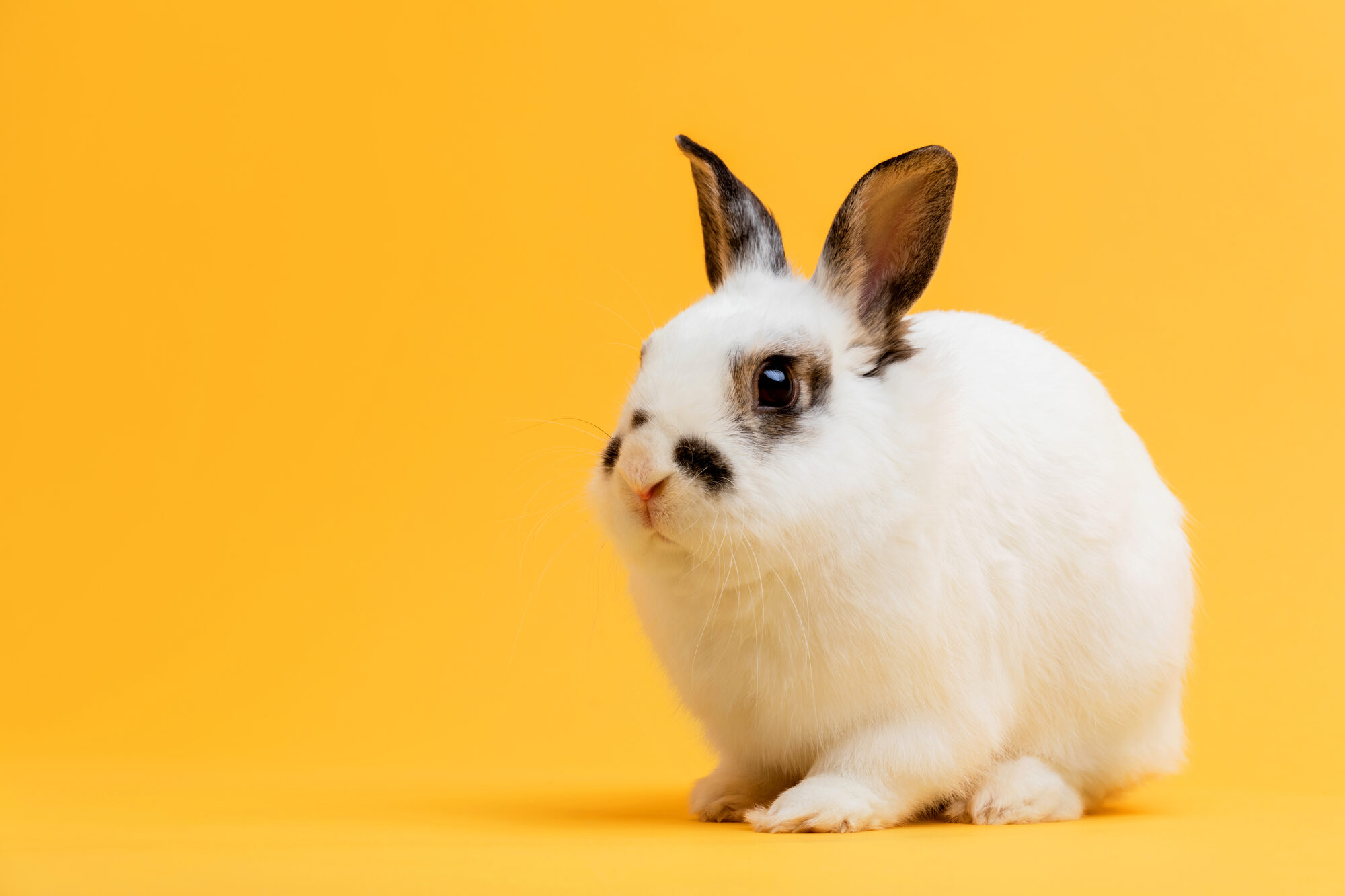
Rabbit
Far more complex and rewarding than most people expect — rabbits are intelligent, affectionate, and endlessly full of personality.
Rabbits are intelligent, social, and surprisingly complex pets that are often misunderstood as simple starter animals. They are not low-maintenance — they need a significant enclosure, daily interaction, a carefully managed diet, and regular veterinary care. But a rabbit that is given what it needs becomes an extraordinary companion: affectionate, playful, and deeply bonded to their owners. Rabbits can be litter-trained, learn their names, and even learn tricks. With proper care, domestic rabbits can live 8 to 12 years.
Diet & Feeding
Hay is the cornerstone of a rabbit's diet — unlimited access to fresh timothy hay every single day is non-negotiable. It keeps their continuously growing gut bacteria balanced and their digestive system functioning. Supplement with a small amount of high-quality rabbit pellets (plain, not muesli) and a large daily portion of fresh leafy greens: romaine lettuce, kale, cilantro, basil, and parsley are excellent choices. Fruits and root vegetables like carrots should be given sparingly as treats due to high sugar content. Fresh water must always be available.
Housing & Habitat
Rabbits need far more space than the small hutches sold in pet stores. The minimum recommended space for a single rabbit is 8 by 4 feet of floor space with room to fully stretch and hop at least three consecutive times. A large dog exercise pen, a rabbit-proofed room, or a very large C&C cage works well. Rabbits should have several hours of free-roaming time daily. Rabbit-proof any space they access — they will chew electrical cords, baseboards, and furniture.
Temperature & Lighting
Rabbits prefer temperatures between 60 and 70 degrees Fahrenheit. They are very sensitive to heat — temperatures above 80 degrees put them at serious risk of heat stroke. Keep them out of direct sunlight and away from hot areas in summer. They tolerate cool temperatures well.
Handling & Temperament
Rabbits do not enjoy being picked up and will kick strongly (enough to break their own back) if improperly handled. Most prefer to be at floor level where they feel safe and will approach and interact on their own terms. Sit with them, let them come to you, and interact at their level. Many rabbits become very affectionate — flopping near their owner, accepting head strokes, and binky-ing (joyful leaping and twisting) when happy.
Health Notes
GI stasis (when the digestive system slows or stops) is a life-threatening emergency requiring immediate vet attention. Dental disease (from insufficient hay) is extremely common. Respiratory infections, ear mites, uterine cancer in unspayed females (very common — spaying is strongly recommended), and bladder sludge are other major concerns. Rabbits should be spayed or neutered and see an exotic vet annually.